
How to plan conference video coverage beyond the highlight reel
A highlight reel can show the energy in a room. A coverage plan also captures the sessions, conversations and details your team will need after everyone goes home. Start with what each audience should see, then work backward to the schedule.
Decide what the footage needs to do
Choose the most important use first. Your crew cannot be everywhere at once, and the answer affects where cameras and microphones need to be.
- Invite future attendees with an event recap.
- Give sponsors a clear look at their presence.
- Preserve selected talks for members or attendees.
- Share short clips from speakers and attendees.
Build a capture list around the agenda
Give your production team the program, room locations and a contact for each stage. Mark which sessions need full coverage, where the crew can set up and which moments cannot be repeated.
Allow time for sound checks, setup and travel between rooms. Flag overlapping sessions early so the crew can explain what can be covered with the available equipment and people.
For example, if a keynote and an exhibitor interview overlap, choose the moment that must be captured live. The interview might be scheduled during a break; the crew can then confirm whether the plan fits the available staff.
Plan interviews before the floor gets busy
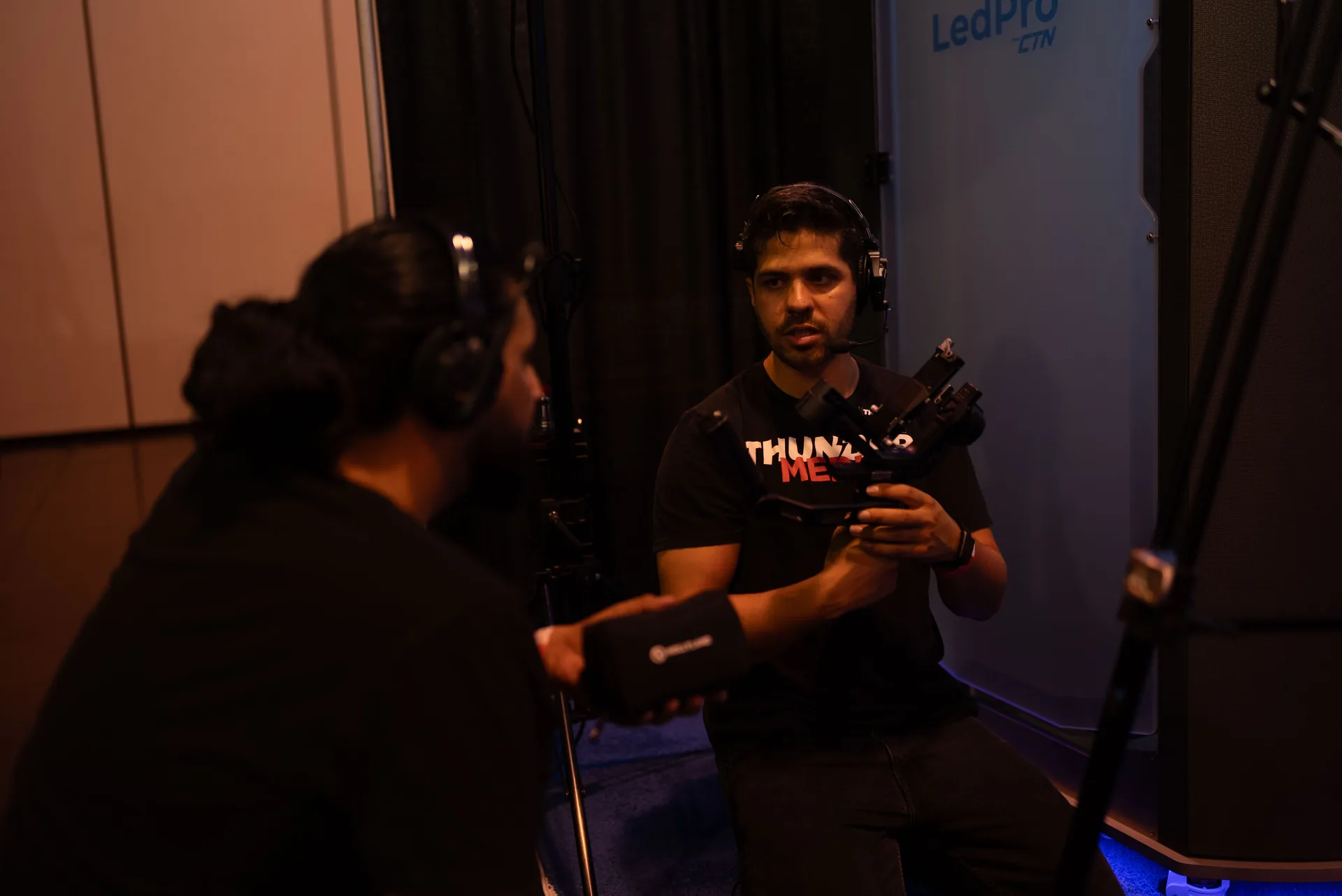
Choose a quiet spot and a short list of attendees, exhibitors or speakers. Decide who will invite them, what you want to ask and how they will give permission.
Ask open questions about what brought them to the event and what they learned. Leave room for their actual answers to shape the edit.
Agree on deliverables and permissions
List each final video, its intended use, format, deadline and review contact. Ask whether separate speaker recordings, social clips, captions or footage for later use are included.
Confirm permission to record and publish speakers, attendees and music with the event team and rights holders before relying on any footage.
Share the plan with the crew
Send the current schedule, venue rules, stage contacts, sponsor requirements and changes as early as possible. Choose one person to make decisions on event day so the crew can adapt if the schedule moves.
Planning your next production?
Explore conference and event coverage